

The benefits of social interaction for dogs are undeniable. From boosting their mental health to improving behaviour, socialisation plays a key role in your dog’s overall well-being.
Dogs are fundamentally social animals, needing social interaction and bonding with other creatures to prosper. Did you know that these interactions can provide numerous benefits?
Just like humans, dogs require a specific amount of social engagement to grow into well-rounded and contented dogs. When it comes to forming bonds with other dogs, there’s no greater satisfaction than creating these relationships.
From learning new abilities and personal development to emotional well-being, our canine companions can greatly benefit from these friendships with other dogs.
Why dogs need social interaction
Introducing your dog to fellow canines can deeply influence their demeanor. Unsociable pooches tend to act nervously and scared when they meet other dogs, and sometimes this nervousness can turn into hostility. This behavior can make outings to community spots like parks or visits to the vet challenging.
But, when your dog gets the chance to mingle with other dogs, they pick up essential social cues and this helps lessen their unease and fright when they’re around other dogs. Consequently, they’re less prone to act aggressively, which translates to more pleasant experiences during walks and interactions for both the dog and you as the pet parent.
Dogs can find people who need them and fill their lives with joy. They make us laugh and cry, they teach us patience and unconditional love. The world is a better place because of them.
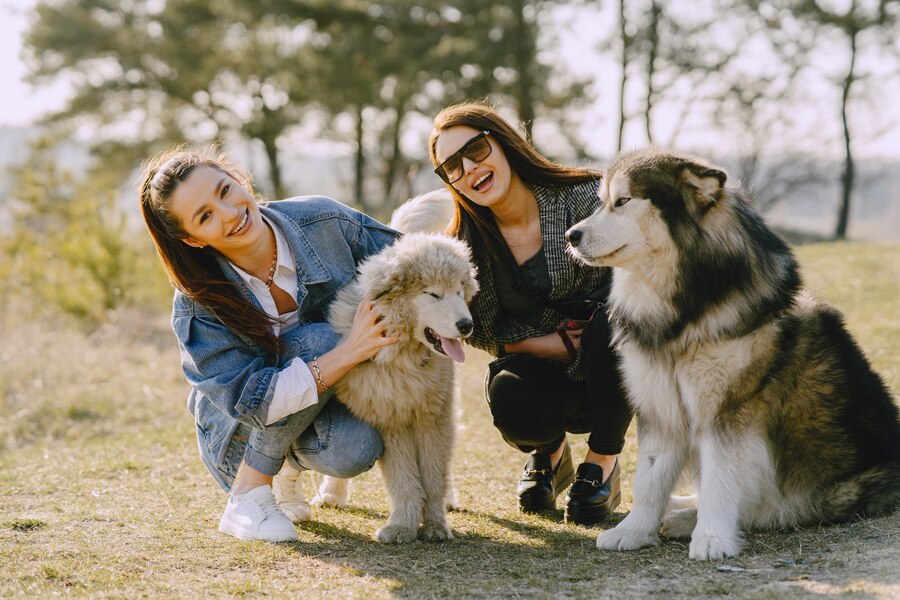
Builds Confidence
When our pets interact with their fellow canines, it significantly enhances their self-confidence. To dogs, engaging in friendly exchanges with other dogs is an essential part of their development. It challenges them to master the art of doggy dialogue, sharpening their social finesse and helping them relax into their own fur. As they navigate this world of sniffs and play, their confidence blossoms, equipping them to strut through new experiences with a tail held high.
Emotional Well-being
It is well known that a dog’s happiness can be existence of playmate or just the frisbee, which has been played. Essentially, dogs are social animals and get happiest when they’re with the other dogs. These enjoyable games sort them and cheers them up and can overcome any kind of sadness that a child may have. Besides, exercising with their counterparts helps sharpen their brains and may help check any naughty behaviors that may be occasioned by boredom. Thus, by making your dog more sociable, you are not just giving them a fun and entertaining day; you are helping them get emotionally healthy as well.
Improves Physical Health
When your fdog romps around with other canines, it’s more than just fun and games. These playdates are a secret recipe for keeping your dog fit and trim, especially for those pups who might easily tip the scales. It’s a fantastic workout that pumps up their health, and as a bonus, it melts away their stress. Imagine that—a play session that’s also a stress buster! Plus, it gives their immune system a nice little boost. So, by encouraging your dog to make some four-legged friends, you’re actually setting them up for a life that’s not just full of tail wags, but also full of health!
Teaches Communication
It’s not just about fetch and frolic when dogs meet up; there’s a whole conversation happening in the wag of a tail or the perk of an ear. See, dogs are masters of the silent chat—their body language. As they hang out with their pack pals, they’re picking up on all sorts of cues and nuances. It’s like they’re in their own school of bark-and-body talk, learning the do’s and don’ts of canine conversation. This schooling in “woofs” and wags is key—it helps your pooch get along famously with other pups and people alike.
To sum up
Socialisation is not merely a luxury but a vital element in a dog’s growth and overall health. When dogs interact with other dogs, they learn essential social skills, gain self-assurance, and become well-adapted members of the canine society. If socialisation is neglected during their early years, it can result in long-term effects, such as isolation, anxiety, and even hostility in mature dogs.
Remember that every dog has its own unique character, and while some may prefer the company of their human family, others flourish in the presence of other dogs. We should prioritize socialisation and provide our dogs with the opportunity to thrive in a world full of wagging tails and lively camaraderie.