

Walk into any pet shop and you’ll find yourself in the middle of a chew jungle.
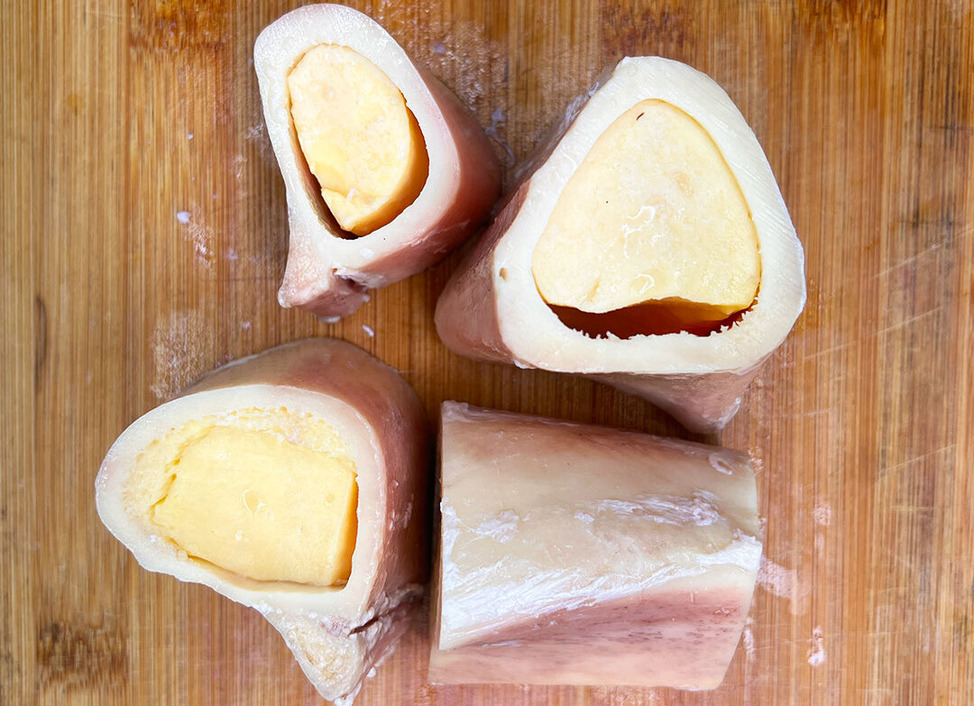
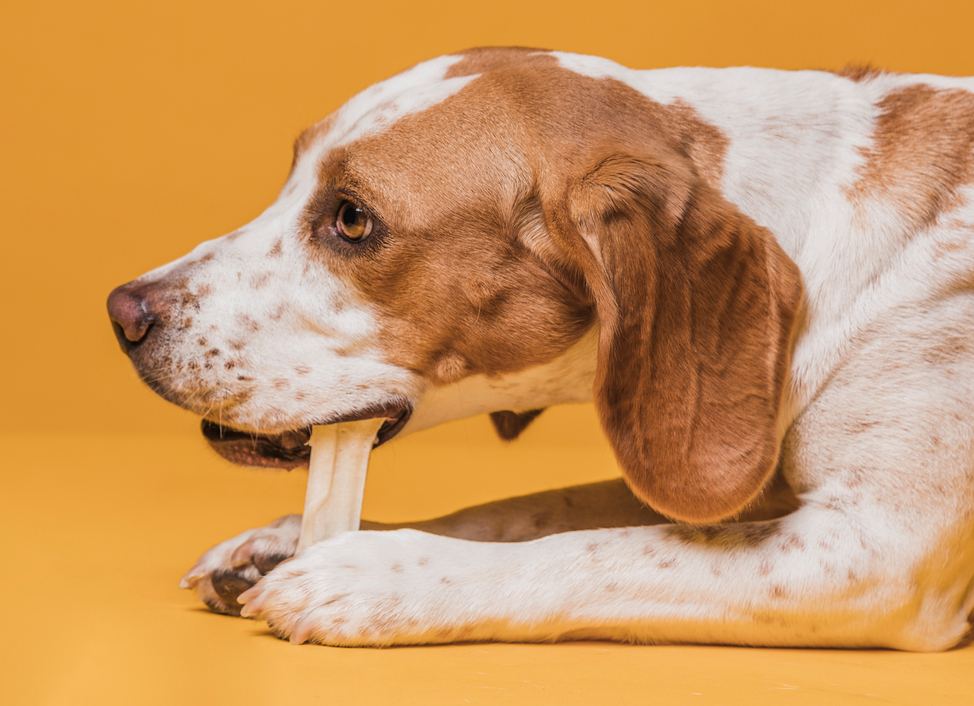
Knuckle bones, marrow bones, large raw bones. These are often the gold standard for large dogs who love to chomp. Rich in minerals and tough enough to last a while. Just make sure they’re raw and not cooked, as cooked bones can splinter.
Think buffalo tendons, pig ears, or dried meat sticks. These are closer to what dogs would naturally chew in the wild. They’re usually single-ingredient and vary in toughness. Less processed, more primal.
These divide opinion. Rawhide is made from the inner layer of cow or horse hides. It’s cheap and long-lasting, but often chemically treated. If you go this route, find a brand that’s open about where and how it makes them. Keep servings small.
A cross between a treat and a chew. Often made with meat, rice, or vegetables, these are fully digestible. They disappear faster but give dogs that moment of chewing satisfaction.
Marketed to freshen breath and scrape off plaque, dental chews are like minty floss disguised as treats. Some work better than others. Choose ones with VOHC approval where possible and use them to support, not replace, brushing.
Rubber toys, nylon bones, and other non-edible options built to last. Great for aggressive chewers or teething pups. Not meant to be swallowed. Choose size-appropriate versions and check for wear regularly.

Shelves stacked with shiny packets and rustic-looking treats, all promising the same thing: a happy, occupied dog. But what really makes a good chew? What should you be looking for? This guide will walk you through it, calmly and clearly.
There’s no single answer. It depends on your dog. Start by thinking about:
A chew for a beagle isn’t going to cut it for a rottweiler.
Is your dog a nibbler or a destroyer?
Some dogs can’t tolerate certain proteins or additives.
Always supervise and take away small pieces.
Puppies need softer, safer options. Older dogs might need gentler textures.
Nature’s bounty, frozen fresh. Unleash the wild in every bowl.
Raw power unleashed. Ditch kibbles, embrace real food goodness.
Pure food for pure love. No chemicals, just nature’s best.
Planet-conscious meals, from farm to bowl. Nourish pets, nurture Earth.
We keep it simple. Our chews are selected for what they do, not how flashy they look. Bones that keep teeth clean. Treats that satisfy instinct. Ingredients you can understand. It’s chewing, as nature intended.
Natural raw bones and single-ingredient chews are often the safest. Avoid cooked bones, dried bones and low-quality rawhide that can splinter or cause blockages.
They can help reduce plaque when used consistently, but they should not replace brushing. Look for VOHC-approved products.
Most dogs can chew for 15 to 30 minutes safely. Always supervise, especially with new chews.
Yes, but they need softer, puppy-safe options made for sensitive teeth. Avoid anything too hard or large.
It’s common in enthusiastic eaters. Try larger or tougher chews and monitor them closely.
No, chews are treats or supplements, not meal replacements. They’re meant to provide enrichment and dental benefits, not balanced nutrition.
A good rule: if you can’t make a dent in it with your fingernail, it may be too hard and could risk tooth fractures.
Yes, look for hypoallergenic options made from novel proteins (like venison or fish) or plant-based chews without common allergens like beef, chicken, or dairy.
Keep them in a cool, dry place in an airtight container to prevent mold and preserve freshness. Refrigeration may be needed for natural or homemade chews.
Simply fill in the following details and you will receive the invitation.